Loading...

Loading...
Loading blog post...
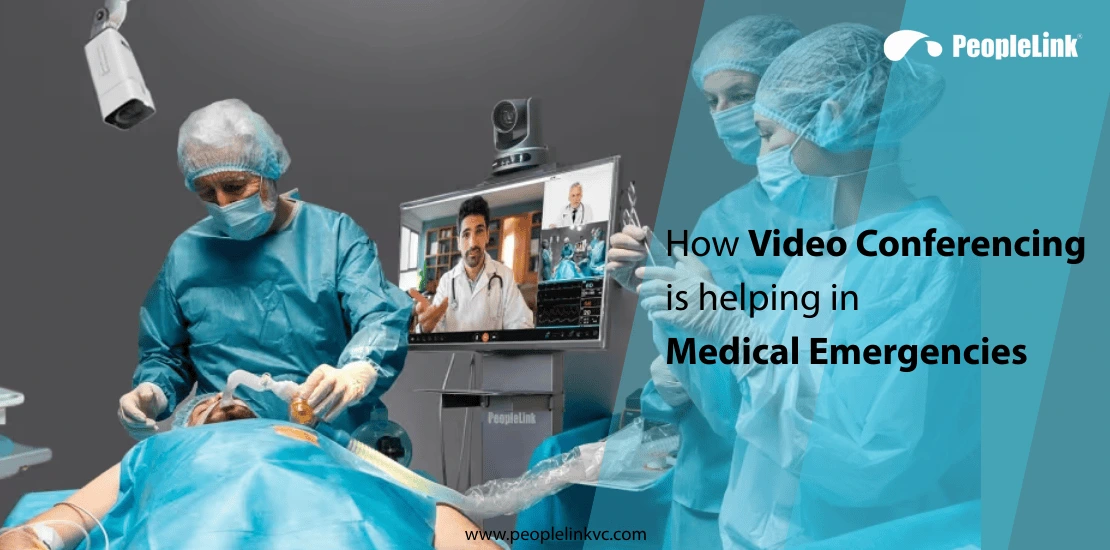
Telehealth video conferencing is transforming how hospitals respond to medical emergencies by giving doctors the ability to act the moment they are needed. A delay of just a few minutes can determine whether a patient recovers fully or suffers permanent damage. By connecting paramedics in the ambulance directly to doctors in the emergency room via video, treatment can begin on the road, long before the patient reaches the hospital building.
This combination of telemedicine and video conferencing is reshaping how we handle emergencies. It ensures that the doctor is virtually present the moment they are needed.
Traditionally, the hospital team had to wait blindly until the ambulance arrived to see how bad the injury was. Video technology changes this completely. In this guide, we will explore how this technology works during a crisis. We will look at how it helps doctors make faster decisions and why having a “visual connection” is vital when saving a life.
In a traditional emergency, the patient must physically travel to a major hospital to see an expert doctor. This travel takes time, and in emergencies, time is the most critical factor. Tele-Emergency solves this by using video screens to connect the patient instantly to an emergency room doctor.
It allows a specialist using video conferencing in hospitals in a central city to see and treat a patient located in a rural town or inside a moving ambulance. The remote doctor becomes part of the local team, guiding nurses or paramedics through life-saving steps in real-time. This approach to telemedicine healthcare ensures that expert help is available the moment the emergency happens, not just when the patient arrives at the building.
Many medical problems show early warning signs on the outside. A sudden swelling, unusual sweating, or rapid breathing can tell a doctor that something is wrong. Through video, these signs become visible in real time, allowing the doctor to act quickly, even from miles away.
A key advantage of Video Conferencing in Healthcare is that it restores this missing visual link, which is critical for establishing trust in doctor patient relationships even during a crisis. It allows the doctor to see the patient directly through a camera, rather than just imagining the scene based on a description. This visual assessment turns a guess into a certainty. It provides the doctor with the complete picture immediately. This clarity allows them to make safer, faster, and more accurate choices when time is running out.
This illustrates the true value of Video Conferencing in Healthcare. It turns a standard video call into a life-saving medical tool.
When a person calls emergency services, they usually have to describe the scene with words. This can be difficult if they are scared or confused. To solve this, the operator can send a text message with a secure link to the caller’s smartphone. When the caller clicks it, their camera turns on. The operator can then look through the caller’s phone to see the accident directly, allowing them to understand the true severity of the situation immediately.
Once the operator sees the emergency visually, they can make smarter decisions about who to send. They do not have to guess if the injury is major or minor. If they see a critical situation, they can send all necessary help along with regular ambulance. They can also alert specific surgeons at the hospital to wake up and prepare because they have visually confirmed that their specific skills will be needed. This capability creates a coordinated virtual emergency response system. It ensures the whole team moves with precision based on what they see, not just what they hear.
While the ambulance is driving to the hospital, the medical connection continues. The doctors at the waiting hospital can use video conferencing for patient monitoring to watch a live stream of the patient inside the moving ambulance. This gives the hospital team a massive head start. If they see on the screen that the patient has a severe head injury, they can have the brain surgeon scrubbed in and the operating room lights turned on before the ambulance even arrives at the door. This is the power of modern telemedicine technology in action. It turns the ambulance ride into the first stage of the medical procedure.
Usually, when an ambulance arrives, the team stops so the paramedic can explain the patient’s condition to the doctors. This advanced medical technology eliminates this pause. Since the hospital doctors were watching the video feed during the drive, they already know exactly what happened and what medicine was given. They can skip the long verbal report and move the patient straight into treatment without wasting a single second.
Sometimes a patient arrives at a small local hospital where specialized healthcare services are not available on staff. In this case, the local team uses telemedicine consultations to call a top expert in a big city. This remote expert appears on a screen in the room to help. They can watch the local doctor operate and even draw on the screen to show them exactly where to make a cut, guiding them through the life-saving procedure step by step.
Normally, without video conferencing in hospitals, emergency room doctors only get a verbal description of a patient before they arrive. With video conferencing, the hospital team can actually see the patient’s injuries while the ambulance is still on the road. This allows them to prepare the exact surgery room, equipment, and specialists needed so they are ready to work the second the patient enters the door.
It is very hard to diagnose a stroke or a severe injury just by listening to someone describe it over the phone. Video allows a doctor to look at the patient’s eyes, movement, and skin color to spot hidden signs of illness that a paramedic might miss. This visual proof helps the doctor figure out exactly what is wrong with much higher certainty.
In emergencies like a stroke, “time is brain,” meaning every minute lost causes permanent damage. Video allows doctors to diagnose the patient remotely and authorize life-saving medicine immediately, sometimes even while the patient is still in the ambulance. This eliminates the usual 15-20 minute wait for a diagnosis after arriving at the hospital.
Because treatment starts sooner and diagnosis is more accurate, patients have a much better chance of surviving. This technology in healthcare ensures that the ‘Golden Hour’ the critical first hour after an injury, is used for treatment rather than just transportation. One of the greatest benefits of telemedicine is that this speed and precision directly lead to more lives being saved.
Video connects a patient to a top-tier specialist instantly, without waiting for the doctor to travel to the emergency room physically. Instead of waiting 30 minutes for a neurologist to drive to the hospital at night, they can “beam in” via video in seconds. This goes beyond basic online medical advice; it ensures expert medical opinion happens immediately when it is needed most.
“Triage” is deciding which patient needs help first and which hospital they should go to. By using video, doctors can quickly look at multiple patients at a disaster scene or in different ambulances to decide who is in the most danger. This ensures that the sickest patients receive prioritized patient care services and are sent to the hospitals best equipped to handle them.
Small, rural hospitals often struggle to provide specialized healthcare services like heart or brain care 24/7. Video conferencing connects these small hospitals with big city medical centers. This allows doctor patient relationships to form instantly, meaning a patient in a remote village can get examined by a world-class expert without having to endure a long ambulance ride to the city. It expands the range of virtual healthcare services available to isolated communities. This ensures that geography never prevents a patient from getting the best care.
PeopleLink provides the specialized hardware and digital health platforms that hospitals need to handle crises.
Is your hospital ready to respond faster? Contact PeopleLink Today for a demonstration of our Emergency Medical Services (EMS) solutions. Let us show you how the future of telemedicine can connect your ambulances to your emergency room today.
Don't get left out of the professional loop! Follow us
LinkedIn